

Top-Rated Trio: Cave-Aged Brie, Tomato Herb Fromage, Honee Pistachio Chèvre
Sale price
$58.00
Regular price
$64.00
Skip to product information


 Ordered
 Order ready
 Est. delivery


Top-Rated Trio: Cave-Aged Brie, Tomato Herb Fromage, Honee Pistachio Chèvre
Regular price
$64.00
Sale price
$58.00
Save 9%


Order today and you should receive your package between:
 Ordered
 Order ready
 Est. delivery
Want it delivered on a specific date? Select Scheduled Delivery or Expedited Delivery at checkout.
- Kosher Pareve
- Lactose-free
- No dairy bloat
- Preservative-free
- Gluten-free
- Clean ingredients
- Low in cholesterol
- Contains soy


It's really good!
Review for: Smoked Cheddar
Ordered a board for a party and everyone was blown away. Beautifully packaged.
Review for: Classic Cheese Board
Great range of flavors and the quality is top notch. Will order again.
Review for: Truffle Brie
Meet the Cheeses

Allergens: Cashews and coconuts.

Allergens: Cashews, soy, and coconuts.

Allergens: Cashews
Allergens & Ingredients
Allergens
Dietary Preferences
Pairing & Enjoyment Ideas
Shelf-life & Storage
Can the Cheeses Be Frozen?
Shipping & Delivery
Refunds & Returns


Customer Favorites
Some of the reviews shown are from related products the merchant grouped with this one.
S
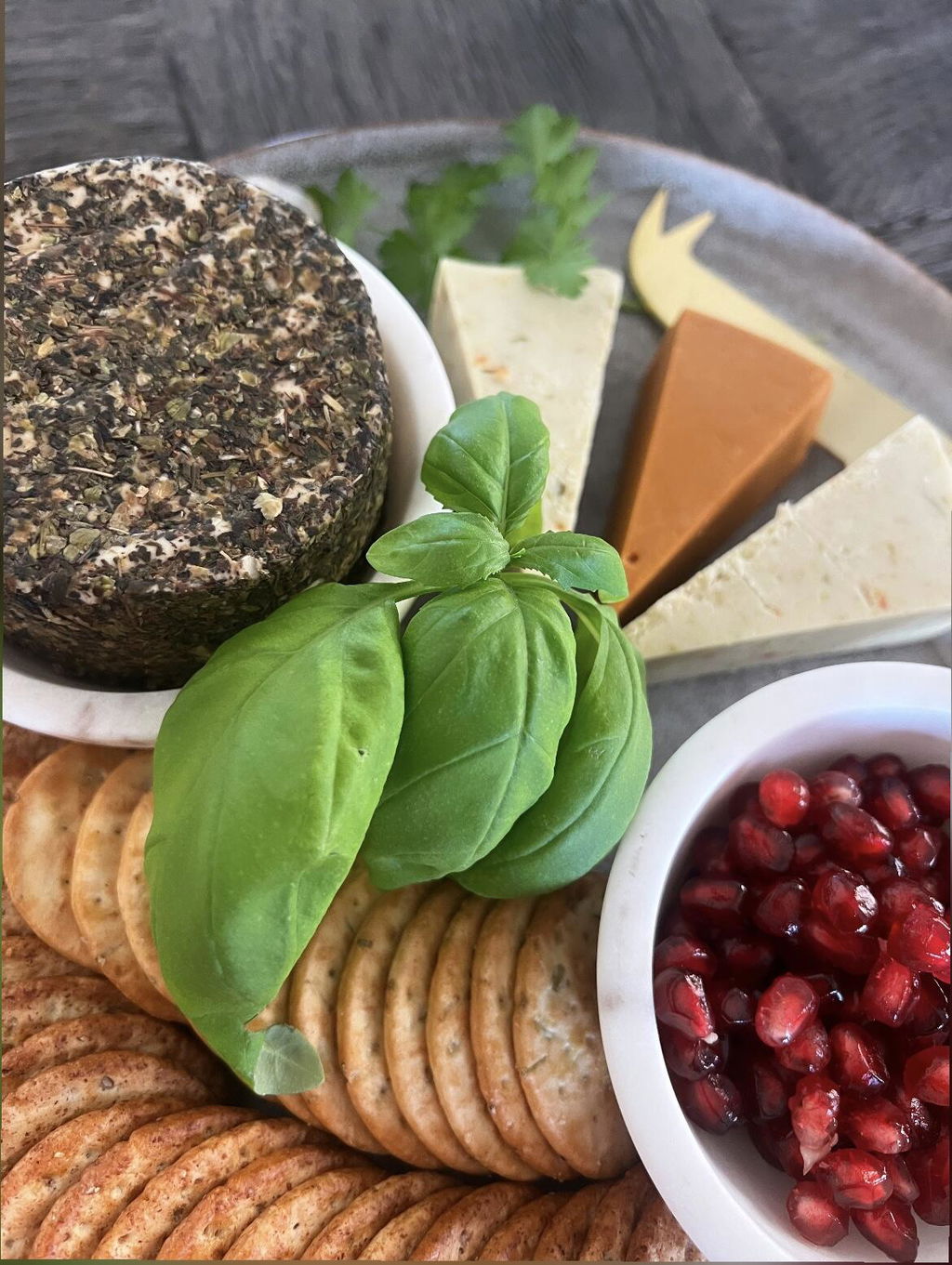
Absolutely surprising! The only vegan cheese I have liked! Worth every penny ⭐️⭐️⭐️⭐️⭐️
L
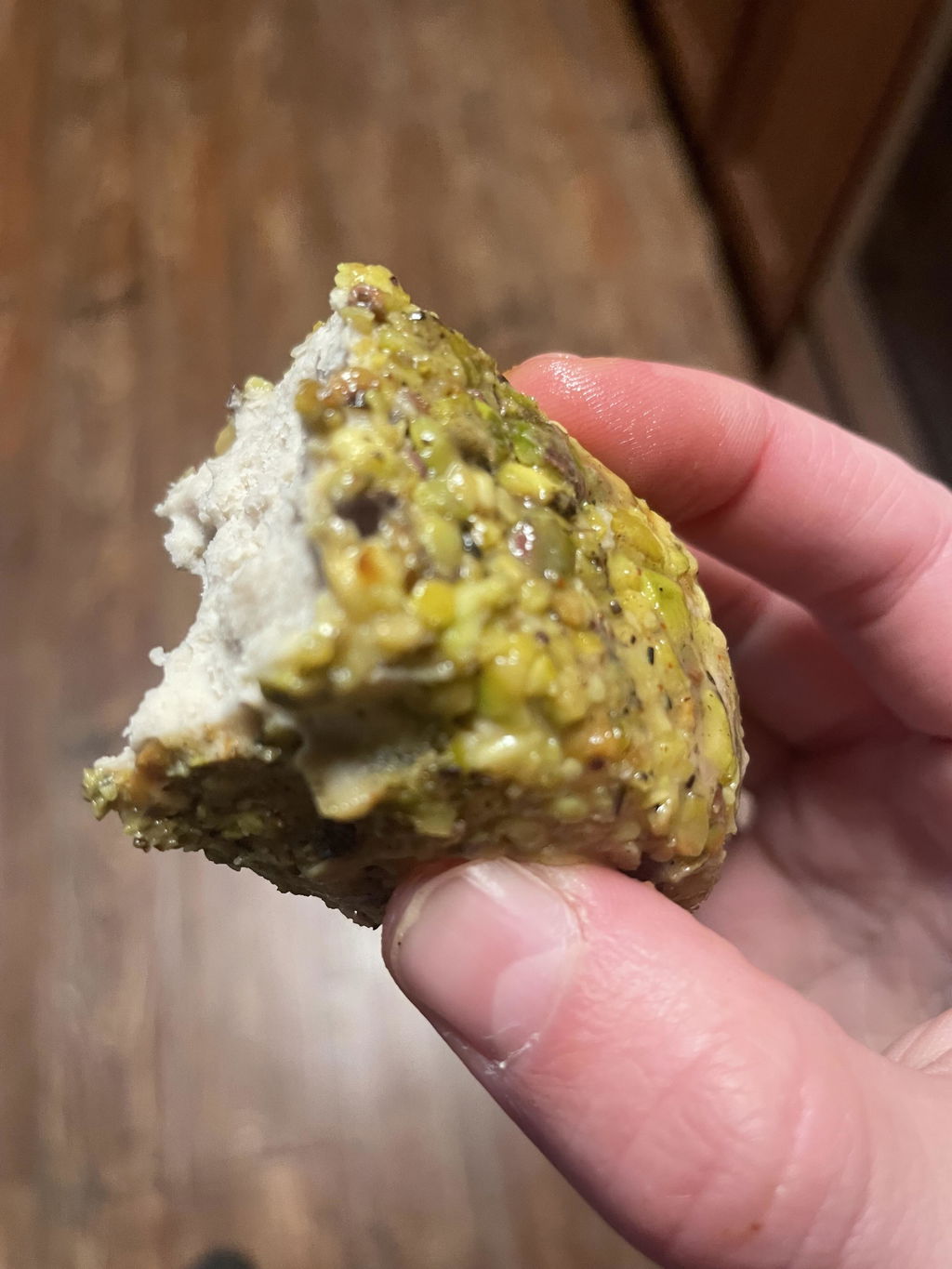
Fantastic. The pistachio is soft and crunchy, and slightly sweet. The inside of the cheese also has a smooth texture. My favorite cheese so far
A
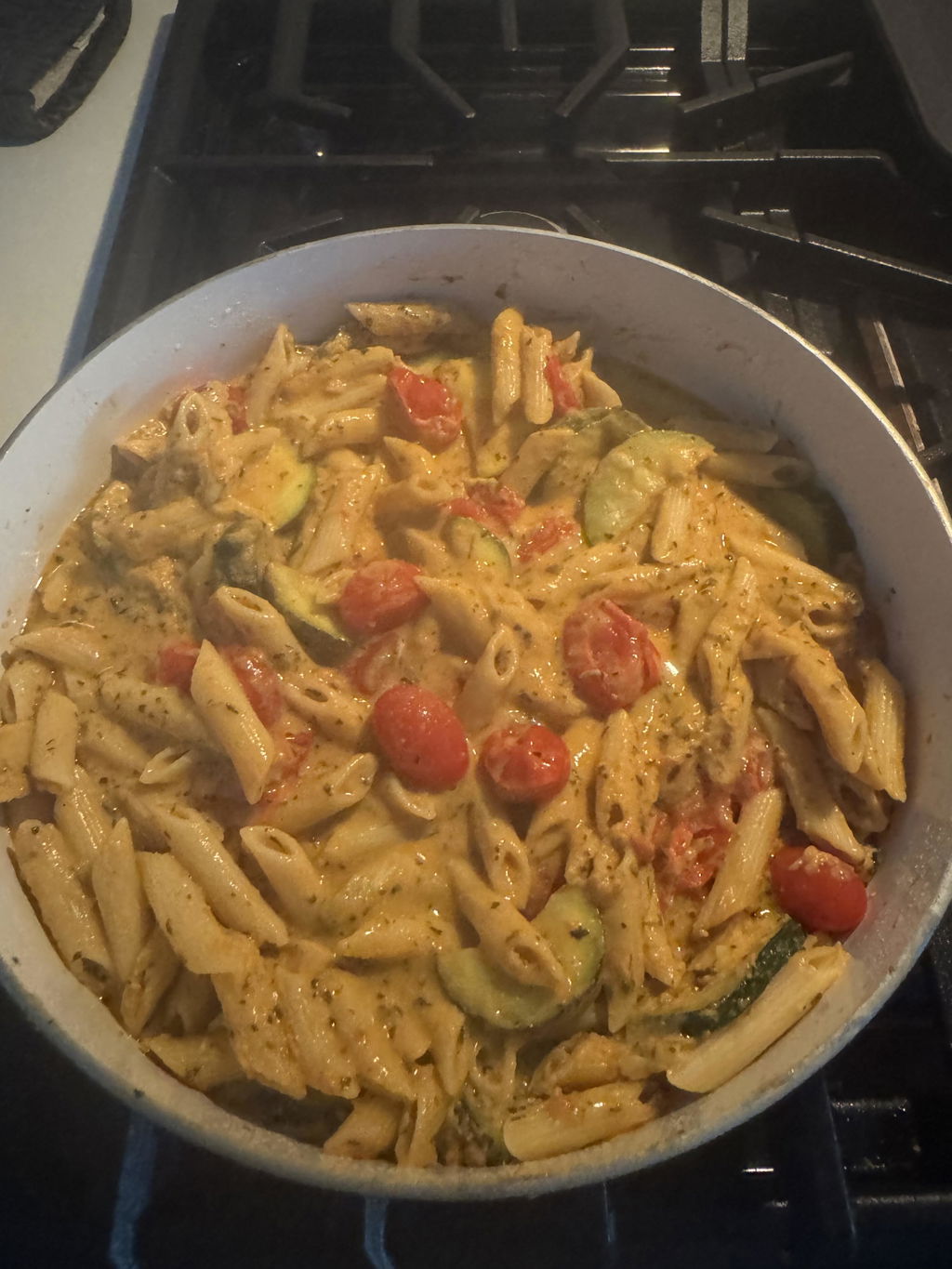
It was amazing!
K
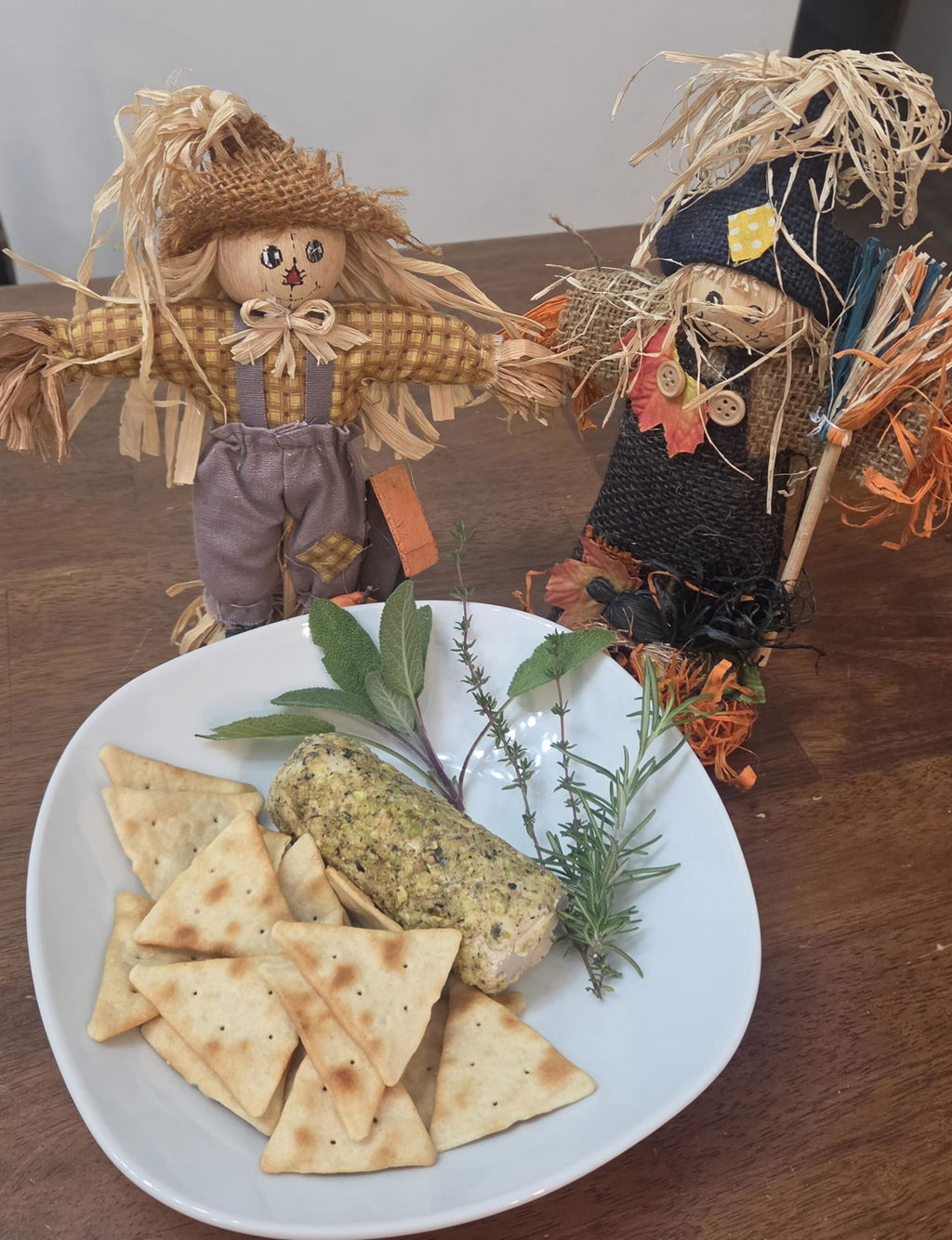
This was a great combo for entertaining or an October evening by the fire.
J
I love all of your cheeses! Will you be making some with less salt?
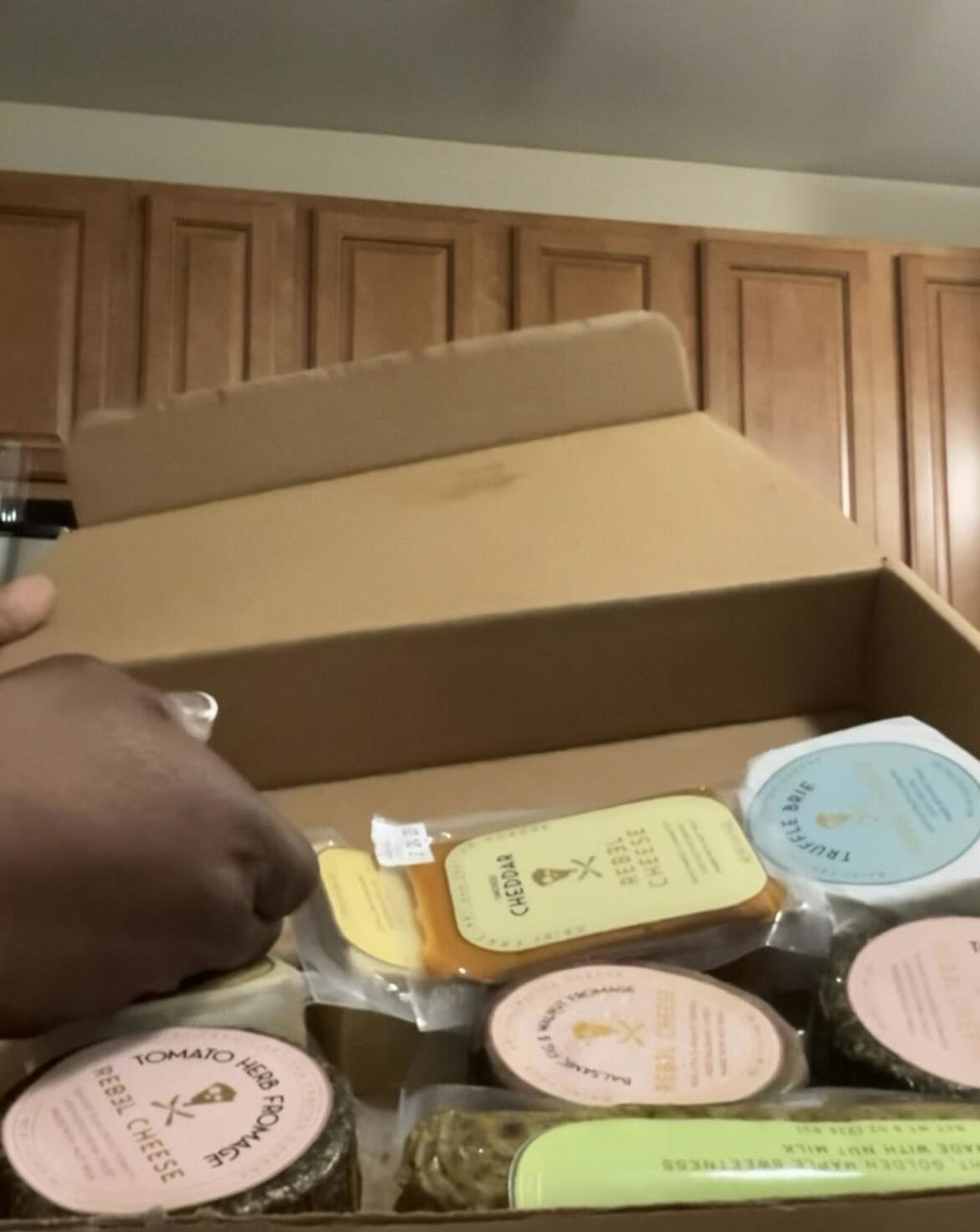
D
Happy customer here ✅️

J
Delicious! Creamy and richly flavored!

L
I bought an assortment of Rebel cheese for myself, as a vegetarian who is trying to give up dairy. My husband eats both meat and dairy and we always have cheese he likes in the fridge. I let him try “my” cheese and he loves it as much as I do! Wasn’t expecting this. Now I have to share ! 😊. The honee pistachio chèvre is the second cheese we’ve tried and it is delicious! I put this cheese out along with our favorite dairy cheese and he liked the Rebel cheese better. Thanks for making these wonderful cheeses!

M
As soon as I spread this on a cracker and had a bite, I was hooked. The texture, the flavor… soooo good. I bought several Rebel cheeses to bring to a potluck but I kept this one at home for myself lol
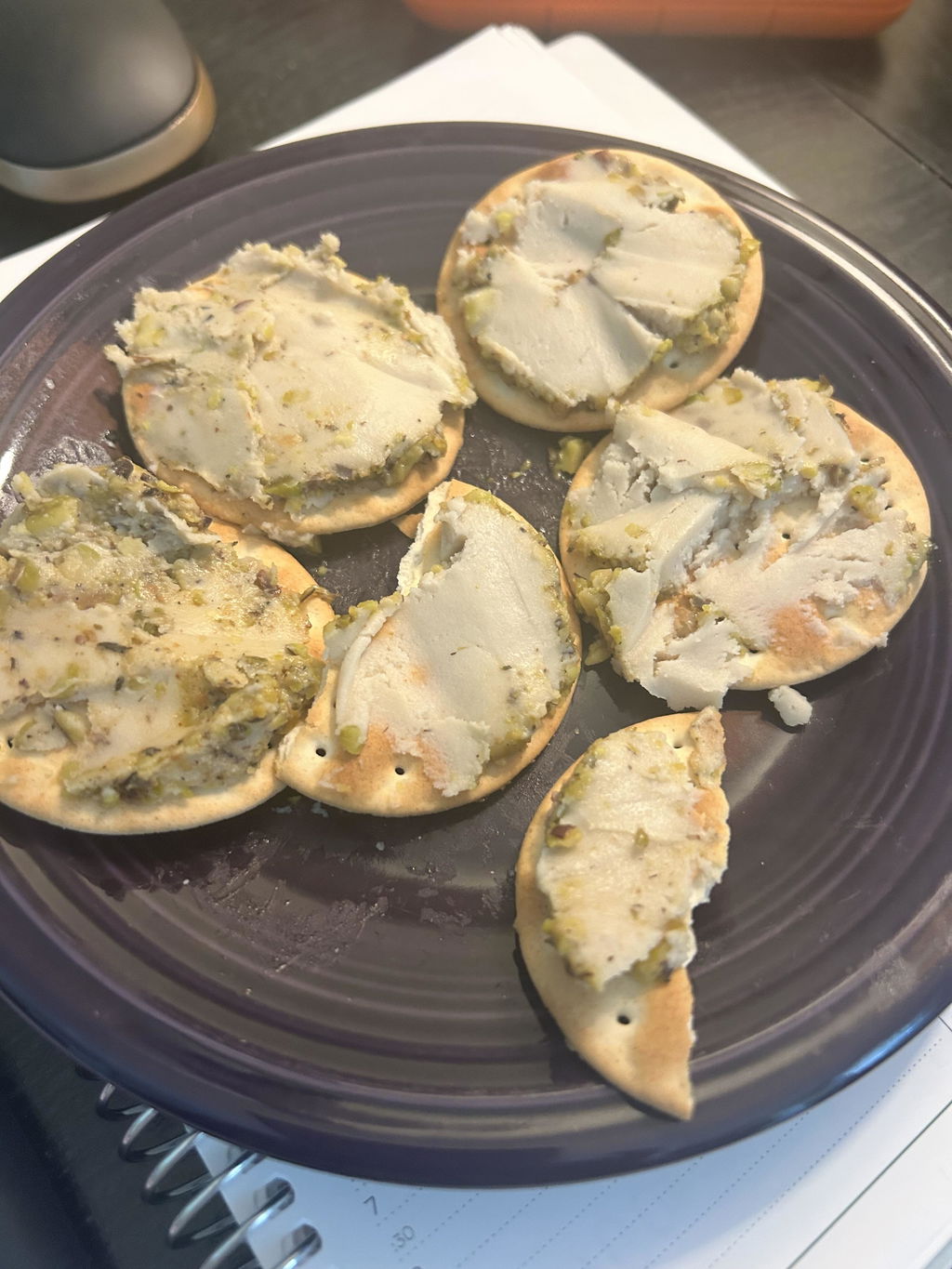
L
This is my favorite one so far! Excellent!!

M
This dairy free cheese is amazing! I made the recipe on your page for the pasta and zucchini and it was so good! I’ve been craving a good cheese and this one really hit the spot!

A
Delicious,beyond my expectation but I only received 1 complimentary not 2

I
This is my favoriteone so far. I love all the flavors in this vegan cheese. You can't really tell this is a vegancheese.

D
Love it

K
This might be the best Rebel cheese I've tried. It is so smooth, spreadable, and delicious!

J
This is amazing! So creamy and full of sun dried tomato flavor. It was a party in my mouth. I'd definitely order this again.

C
Deliciousness
I made a pizza with it🤗

M
We melted it into pasta and it was glorious. The flavor was not overpowering and added the perfect amount of spice to the meal. No additional seasonings were needed. It was creamy and delicious.

M
This is my FAVORITE cheese!!! So much so that I had to order 2. 1 for ME &1 to share (maybe)

J
delicious


K
This is my favorite cheese! We had guests over last night and this was by far everyone's favorite. Even my family who had never tried vegan cheese loved it!

Even Sharks Love Our Cheese
What made Mark Cuban cut his fastest deal ever on Shark Tank? The irresistibility of our cheeses, of course. From game day to date night, our cheeses are a staple of the Cuban household.


Too Many Good Things to Choose From?
Why You'll Love Our Curated Boxes
- Hand-selected
Our curated boxes are thoughtfully assembled for seasonality, holidays, and - New-cheese debuts
Our curated boxes are thoughtfully assembled for seasonality, holidays, and - Perfect for gifting
Not sure what they'll love? Leave the cheese-mongering to us. - Subscribe & save options
Never be without your favorite cheeses. Join the Cheese Club for a monthly delivery, and save!
Frequently Asked Questions
What is Rebel Cheese?
What is the Rebel Cheese satisfaction guarantee?
Are Rebel Cheese's vegan cheeses gluten-free?
Can Rebel Cheese's dairy-free cheeses be frozen?
Where are Rebel Cheese's non-dairy cheese products made?
How does Rebel Cheese ship dairy-free cheese safely? Do you offer scheduled delivery or express shipping?
How should I store my Rebel Cheese vegan cheeses?


