

Christmas Cheese Board
Christmas Cheese Board Classics
Sale price
$115.00
Regular price
$124.00
Skip to product information


 Ordered
 Order ready
 Est. delivery


Christmas Cheese Board
Regular price
$124.00
Sale price
$115.00
Save 7%


Order today and you should receive your package between:
 Ordered
 Order ready
 Est. delivery
Want it delivered on a specific date? Select Scheduled Delivery or Expedited Delivery at checkout.
- Kosher Pareve
- Lactose-free
- No dairy bloat
- Preservative-free
- Gluten-free
- Clean ingredients
- Low in cholesterol
- Contains soy


It's really good!
Review for: Smoked Cheddar
Ordered a board for a party and everyone was blown away. Beautifully packaged.
Review for: Classic Cheese Board
Great range of flavors and the quality is top notch. Will order again.
Review for: Truffle Brie
Meet the Cheeses

Allergens: Cashews, almonds, coconuts, soy, and mustard.

Allergens: Cashews

Allergens: Almonds, coconuts, and soy.

Allergens: Cashews and coconuts.

Allergens: Cashews, soy, and coconuts.

Allergens: Cashews and coconuts.
Allergens & Ingredients
Allergens
Dietary Preferences
Pairing & Enjoyment Ideas
Shelf-life & Storage
Can the Cheeses Be Frozen?
Shipping & Delivery
Refunds & Returns


Customer Favorites
C
Excellent tasting cheeses
R
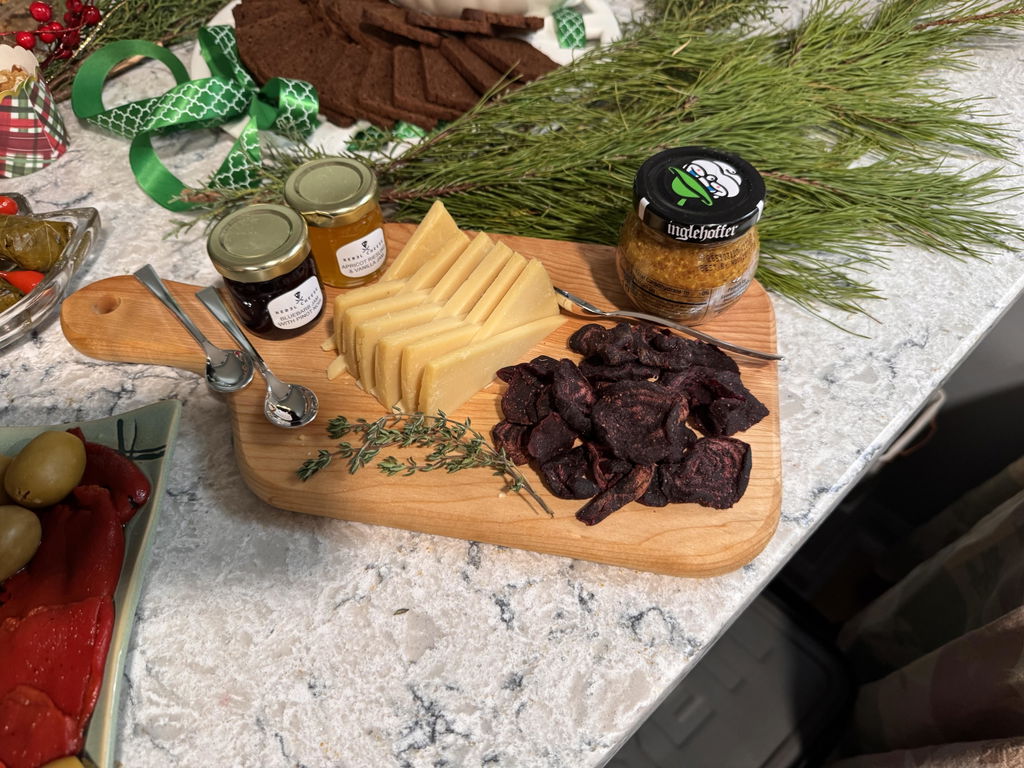
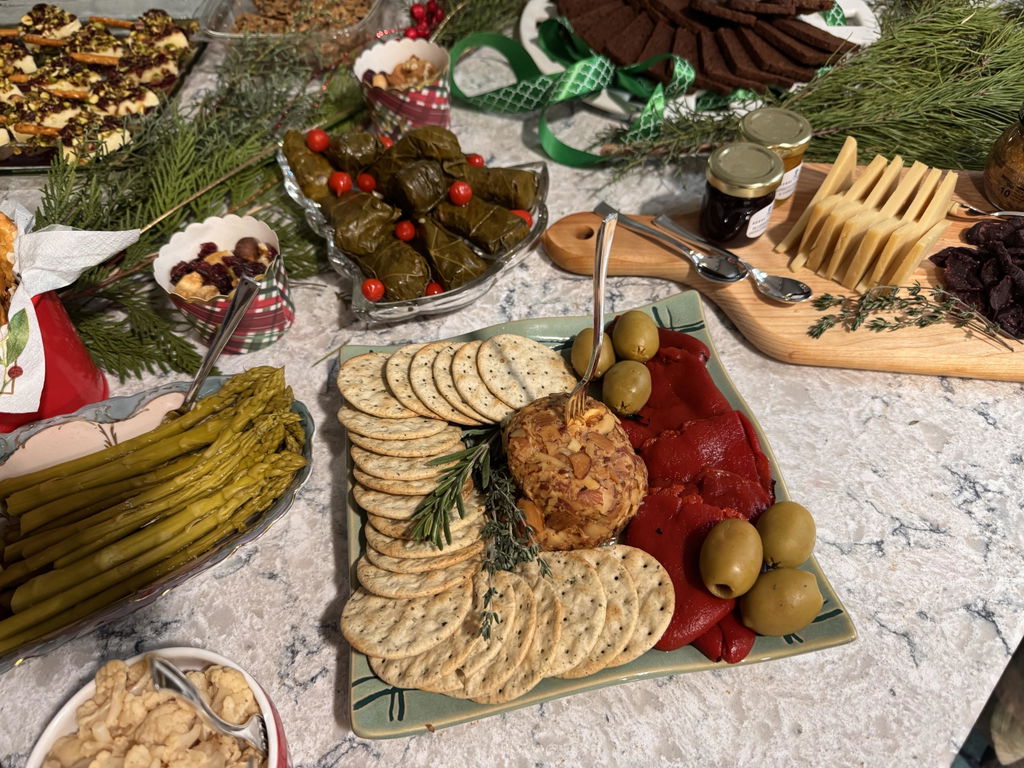
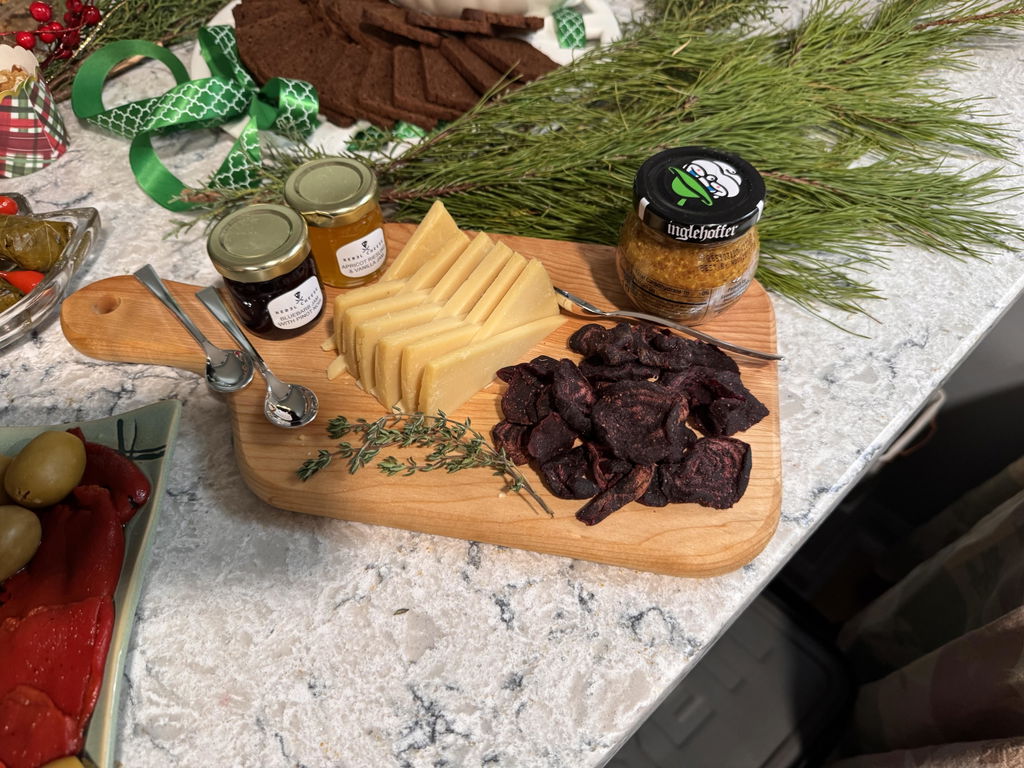
I’ve been dairy free for about 15 years. I’ve *never * had such good dairy free cheese. My family loved the charcuterie board for Christmas using all the cheeses from the holiday box. I will be ordering this again and again.
A
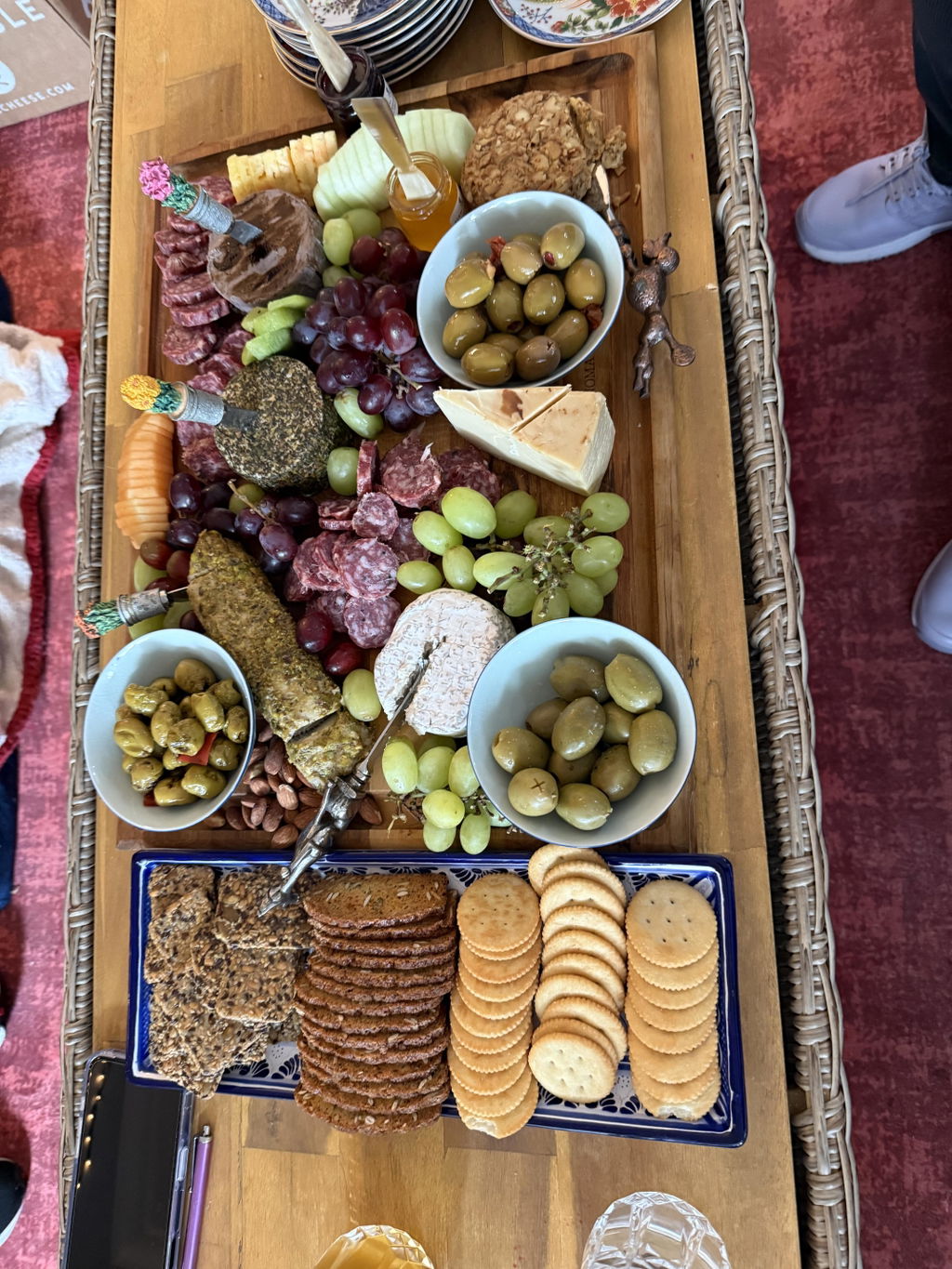
My Rebel Cheese Board was delicious and eye catching. Unfortunately there were few left-overs!
L
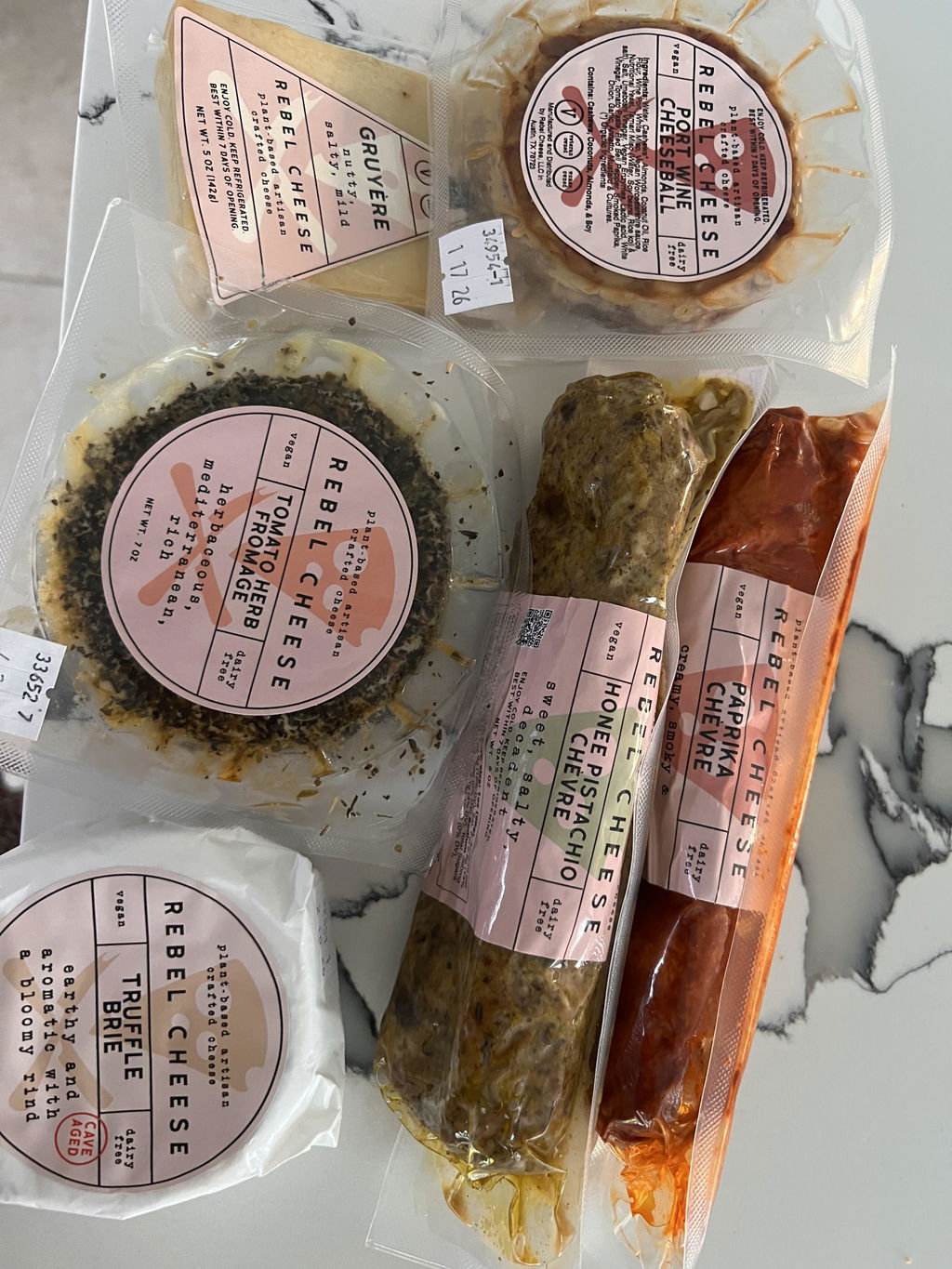
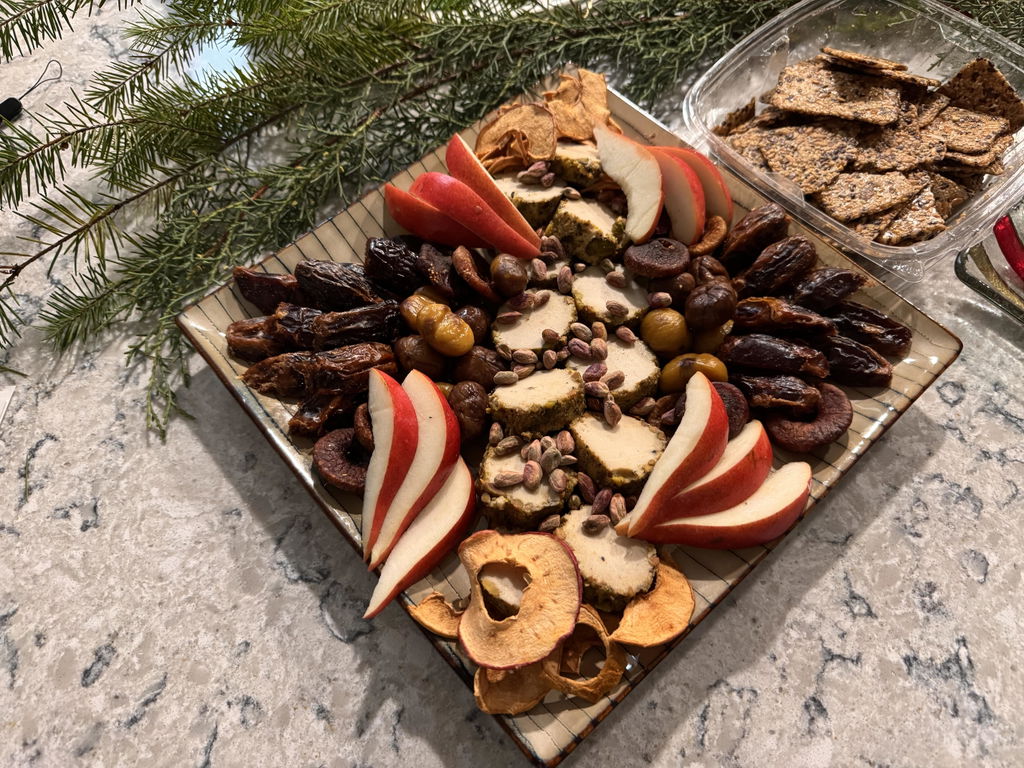
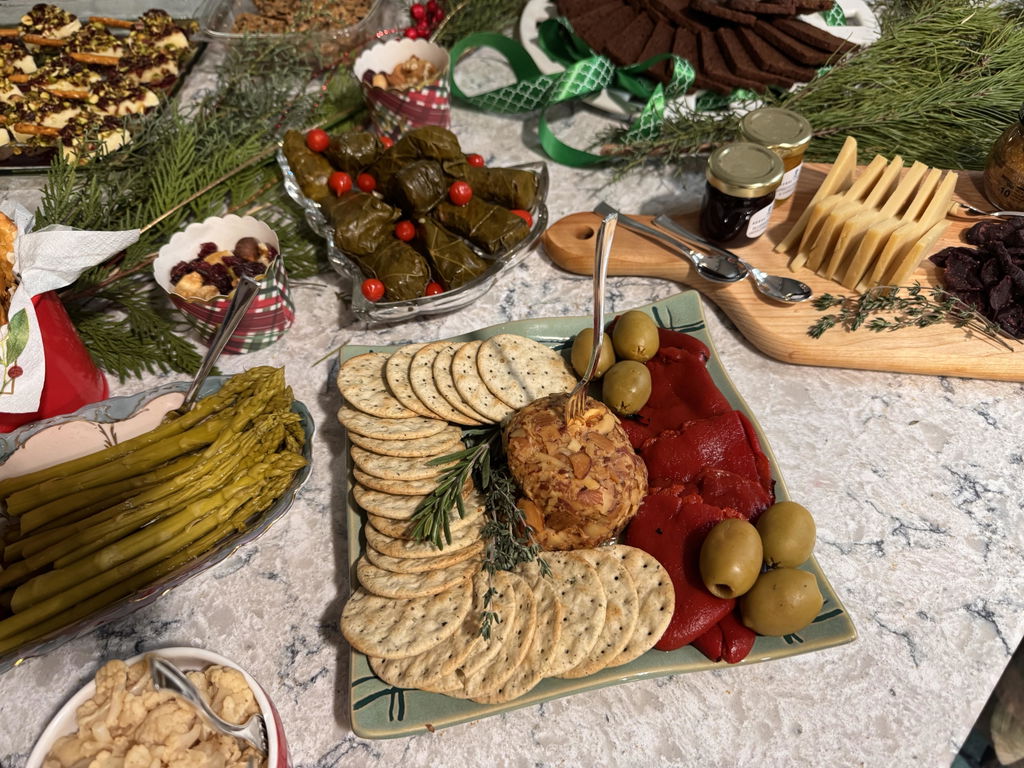
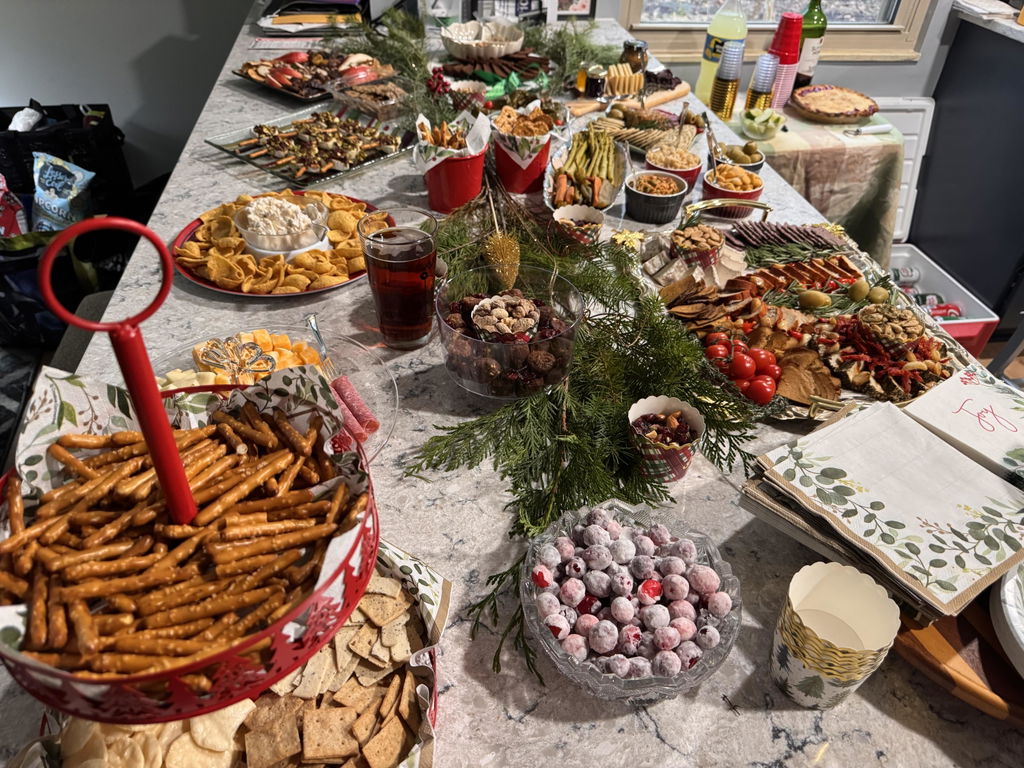
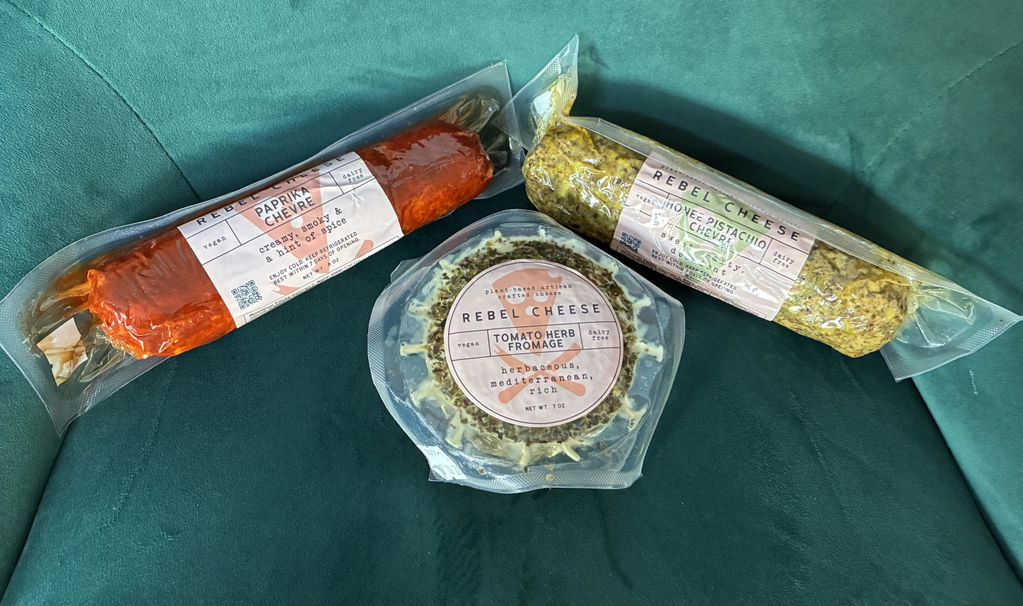
The selection in the 6 cheese holiday box was a huge hit at our family Christmas gathering. Vegans and non-vegans alike, all enjoyed the flavors and textures of the cheeses. The most popular ones were the herb tomato fromage and the honee pistachio chèvre.
E
Out of this world!
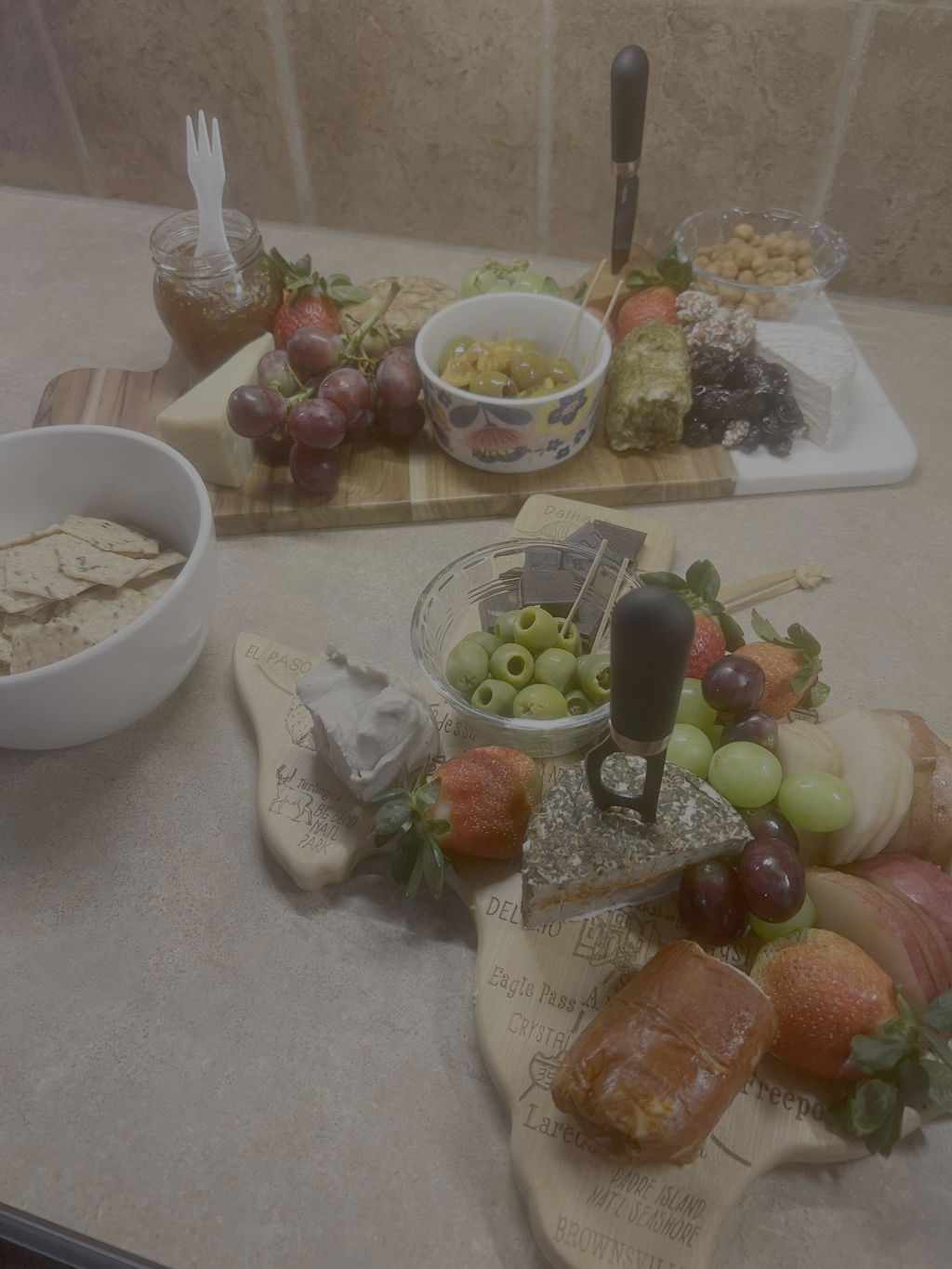
I have been vegan nearly 13 years, and this is the most delectable vegan cheese I've ever had. The selection and quantity is amazing for the price. Every single cheese was so flavorful. The only one with a disappointing texture was the smoked cheddar, as it totally crumbled when cut. Our favorites were the brie, pistachio honee chevre, and paprika chevre. My husband, who is not vegan, LOVED them all and said he could give up cheese if we always had these in the house! We plan to get the box every Christmas going forward.
D
Excellent. I've not had gourmet cheese in a long time. The texture and taste were perfect. I still have several to try from my 1st purchase, but I will definitely be ordering again.
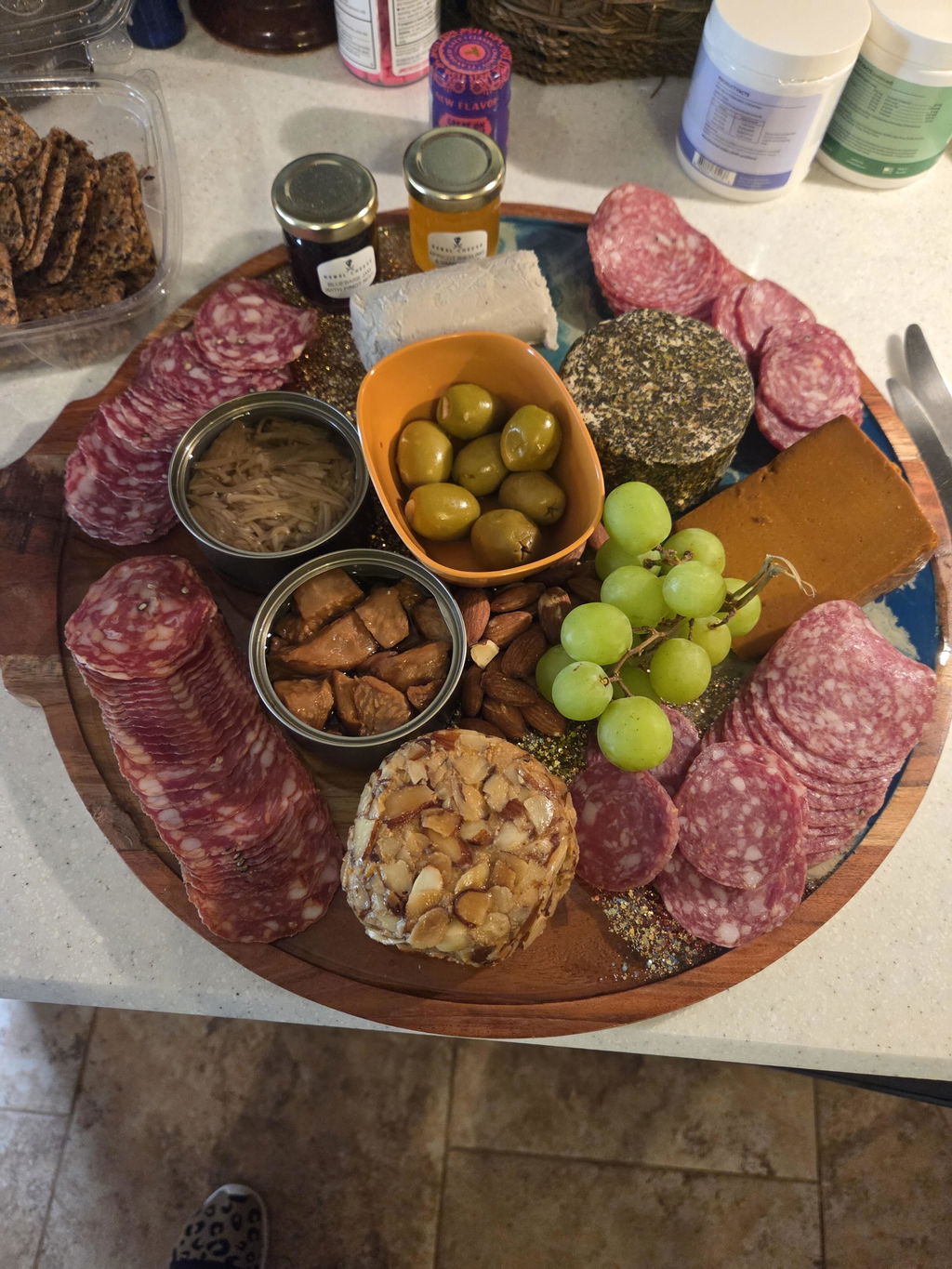
L
Phenomenal vegan cheese selection! My daughter (who is not vegan) loved their vegan Gouda better than cows milk version!
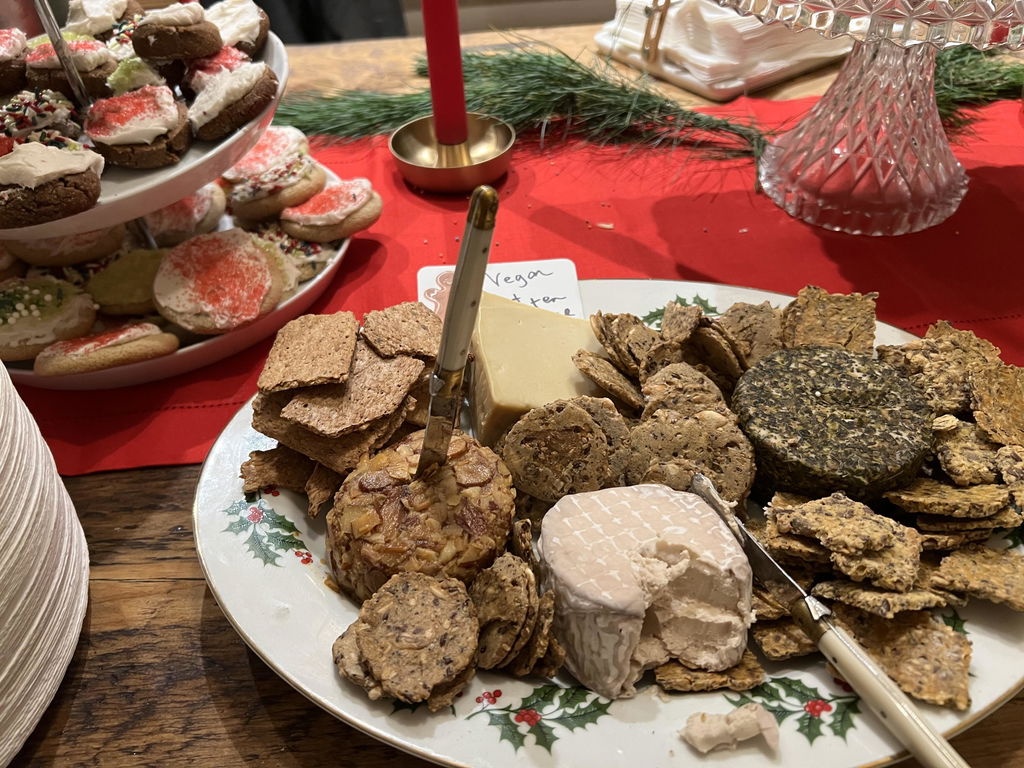
S
Love love love😋
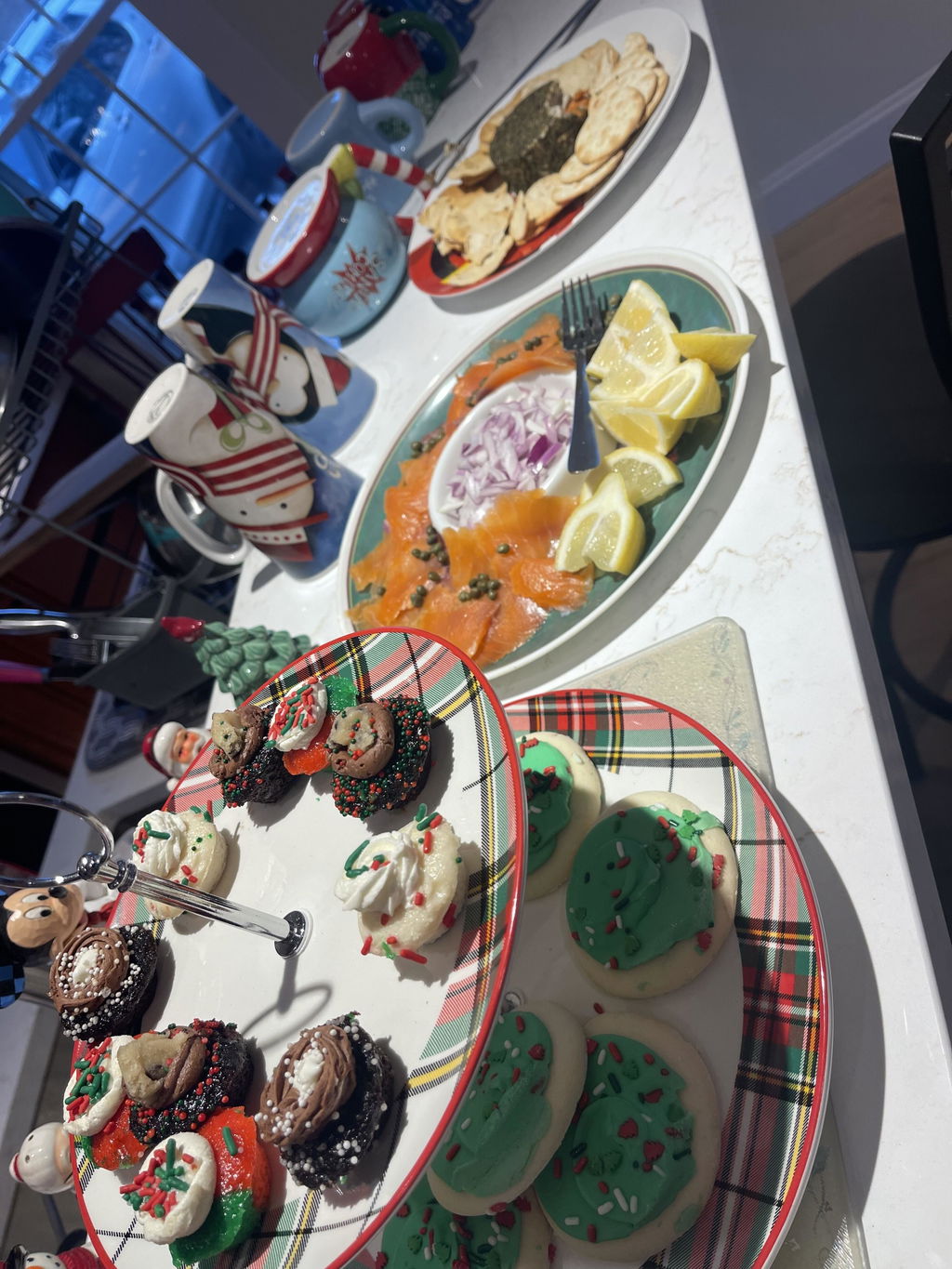
M
You really cannot go wrong with creating a Christmas Charcuterie with Rebel Cheese. I did attend a live MasterClass for tips and suggestions, but in the end you just let your love and creativity flow and you will put out a beautiful arrangement made with so much love...afterall it all begins with cheese made with so much care and love, right?!
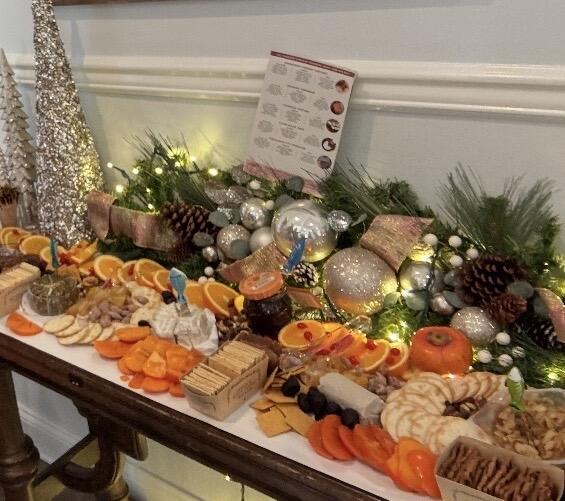
K
OMG, the best vegan cheeses! I eat a mostly healthy, pescatarian diet, but I could never give up dairy cheeses, ...until now! I needed to lower my saturated fat intake and this is a game changer for me and my cheese addiction :) Thank you!
D
They loved this!
K
I bought this for friends who are dedicated to a plant based diet & have mentioned they used to enjoy cheese boards. As a “cheese head” from WI, I was skeptical when I first started seeing Rebel Cheese ads but it seemed like a cool gift idea. They invited me over to have the initial tasting & we were ALL absolutely thrilled with ALL of them! Including the two free cheeses sent. You get A LOT of cheese & so many different flavors. It was a fun & yummy afternoon! Filling too, without feeling “blocked” like dairy cheese can make you feel if you over indulge, which we definitely did!!
Thank you for creating such an amazing product!!
J
I was pleasantly surprised at the delightfulness of these cheeses. I cannot believe these are Vegan. They taste amazing, the texture is spot on, and I don't feel awful after eating them. The only one I didn't like was the truffle brie because I do not like truffles.
A
Received my order. Love the cheeses. One complaint is that there was an email and notice on website that if I ordered within a certain timeframe, I’d receive two free cheeses. I looked for a code and couldn’t find one. I placed my order within the timeframe but did not receive the two free cheeses with my order.
J
I am blown away!!!
M
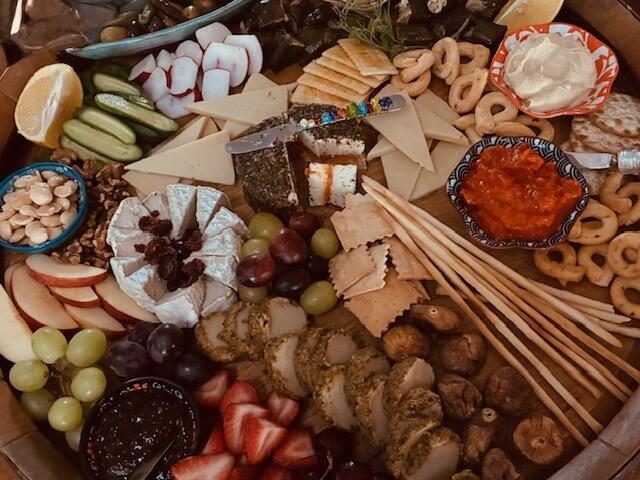
These make a beautiful charcuterie board and taste even better than they look. Will definitely buy again!
L
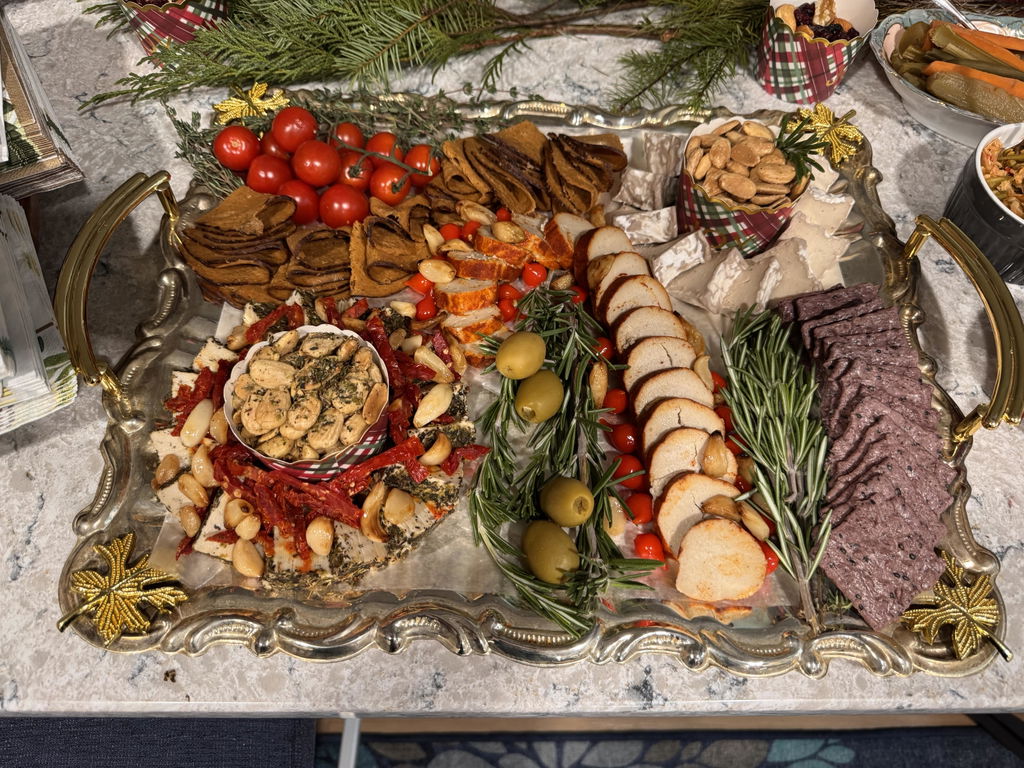
This cheese is amazing! I served it at a Christmas gathering and everyone was amazed at how delicious it was. I am hooked.
M
I sent this as a holiday gift to our daughter the vegan. She was so shocked and absolutely thrilled; she had tried Rebel Cheese previously. It was THE BEST gift I could have sent her!!
L
A fantastic mix of cheeses! I am obsessed with how delicious every single one of these is. I'll definitely be ordering again! Delicious!
A
I absolutely love the Brie! It’s so delicious and spreads so easily!
A
Was shocked on how they all tasted expect for the cheddar was hoping it would be a little better it was too dry but melted well over all they were awesome my wife can't eat dairy and she loved them
A
I ordered the 6 cheese holiday selection, and I received 2 additional cheeses for free with my order. So far, I have only tried 3 of them: Truffle Chevre (really good), Port Wine Cheese Ball (good, but a bit smoky, & to me, that is not a port wine cheeseball, although still tasty, disappointing, as this was the one I really wanted to try), & Truffle Brie (AMAZING - I served it heated with table crackers, Mission Figs, and raspberry sauce, and a pilot noir). I am eager to try the rest, although I am not as keen on the "smoky" flavor, and two of the remaining cheeses (Spanish Paprika Chevre & Smoked Cheddar) claim to be smoky. I am eagerly anticipating the Gruyere, the Honey Pistachio Chevre, and the Tomato Herb Fromage. I wish you could pick your own mix!
E
Loved the truffle Brie! Looking forward to enjoying the others!
J
All delicious!
P
Our Holiday Cheeseboard Classics was the star of our Christmas Eve party. Guests immediately crowded around it, and the shock when we revealed it was completely plant-based was priceless. Vegans and non-vegans alike couldn’t get enough—everyone had a different favorite, and we had so much fun tasting (and re-tasting) each one. It was a total hit, and we’ll absolutely be ordering again for future gatherings.
Even Sharks Love Our Cheese
What made Mark Cuban cut his fastest deal ever on Shark Tank? The irresistibility of our cheeses, of course. From game day to date night, our cheeses are a staple of the Cuban household.


Too Many Good Things to Choose From?
Why You'll Love Our Curated Boxes
- Hand-selected
Our curated boxes are thoughtfully assembled for seasonality, holidays, and - New-cheese debuts
Our curated boxes are thoughtfully assembled for seasonality, holidays, and - Perfect for gifting
Not sure what they'll love? Leave the cheese-mongering to us. - Subscribe & save options
Never be without your favorite cheeses. Join the Cheese Club for a monthly delivery, and save!
Frequently Asked Questions
What is Rebel Cheese?
What is the Rebel Cheese satisfaction guarantee?
Are Rebel Cheese's vegan cheeses gluten-free?
Can Rebel Cheese's dairy-free cheeses be frozen?
Where are Rebel Cheese's non-dairy cheese products made?
How does Rebel Cheese ship dairy-free cheese safely? Do you offer scheduled delivery or express shipping?
How should I store my Rebel Cheese vegan cheeses?


